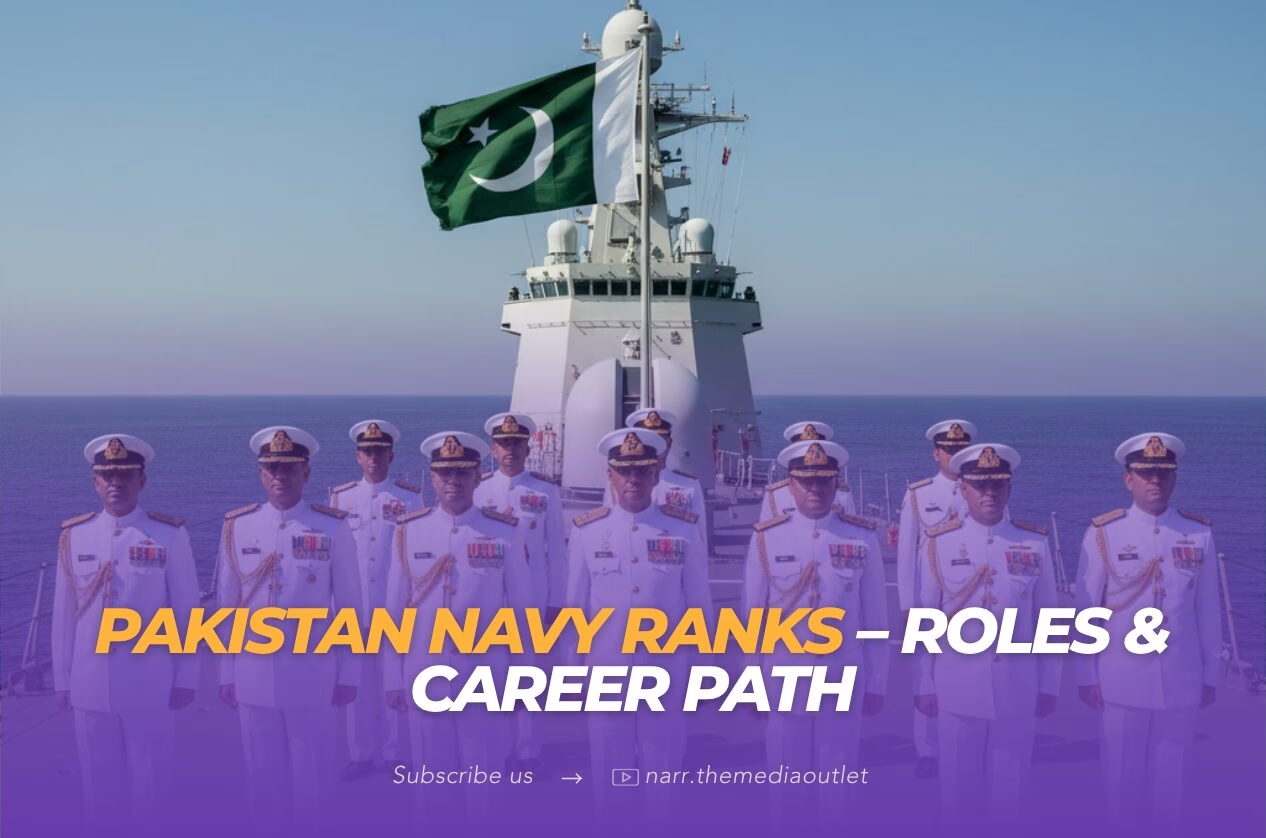
Let’s discuss the Pakistan Navy — a highly regarded department of our armed forces. It doesn’t merely sail vessels around; it guards our sea borders, secures trade routes, and makes sure that Pakistan’s sea interests remain safe.
Now, like any strong organization, the Navy runs on a rank system. Each rank shows a person’s authority, experience, and responsibility. It’s a chain of command that keeps everything organized and disciplined. Today, we’ll go through the different ranks, what they mean, and how a career in the Navy progresses step by step.
A Quick Historical Look
When Pakistan was created in 1947, our Navy started small. It took over a few ships and bases from the old Royal Indian Navy. In the early days, the structure was mostly the same as the British one. But over time, the Pakistan Navy built its own system, training methods, and command traditions.
That evolution shaped what we see today — a professional, disciplined force with its own identity, values, and ranks that reflect both experience and leadership.
Why Ranks Are Important
Ranks aren’t just titles printed on a uniform. They define how the Navy functions. Every single rank has a specific purpose — from the sailor who handles the ropes to the officer who plans missions.
Without ranks, you’d have chaos. Imagine a ship with hundreds of people but no clear leader. That doesn’t work. Ranks create order, discipline, and a clear path for communication and command.
Commissioned Officers — The Leaders
These are the officers who lead the force. They make big decisions, plan operations, and command others. Let’s move from the starting level all the way to the top.
Midshipman
This is where an officer’s journey begins. A Midshipman is still under training — learning the basics of navigation, discipline, and leadership. It’s the stage where young cadets get molded into future officers.
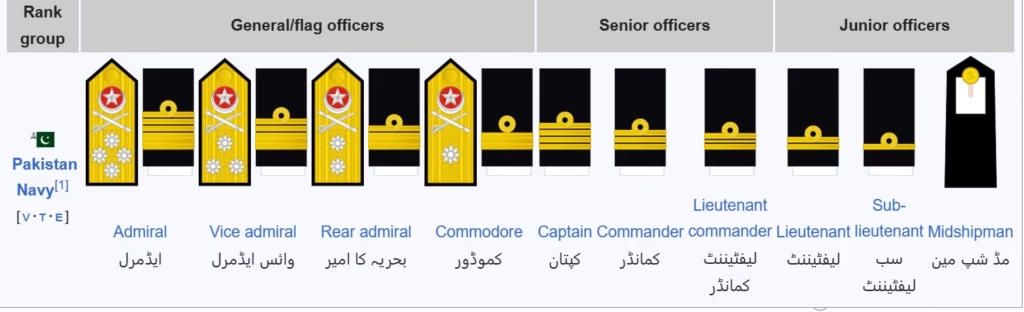
Sub-Lieutenant
After training, they become Sub-Lieutenants. These officers are new to the fleet, eager to learn, and full of energy. They take up smaller duties and gradually build confidence in leadership.
Lieutenant
A Lieutenant has a few years of experience and leads departments on ships or bases. They handle key operations, train their teams, and make sure everything runs according to plan.
Lieutenant Commander
Now the officer starts stepping into senior leadership. A Lieutenant Commander may command smaller ships or major departments. They make important tactical decisions and guide younger officers.
Commander
A Commander usually leads a large vessel or a naval establishment. This rank demands experience, maturity, and strong leadership. Commanders play a major role in planning and executing missions.
Captain
Captains are among the most respected officers. They command warships or entire naval bases. The safety of the ship, the crew, and the success of missions fall on their shoulders.
Rear Admiral
This is the first level of flag officer ranks. Rear Admirals manage whole groups of ships or naval regions. They help set naval strategy and oversee large-scale operations.
Vice Admiral and Admiral
These are the highest ranks. The Vice Admiral assists in leading the entire Navy, while the Admiral — the Chief of Naval Staff — commands the whole naval force. These officers shape national defense strategy and maritime policy.
Non-Commissioned Officers — The Backbone
Now, while officers lead, it’s the Non-Commissioned Officers (NCOs) who make sure the Navy actually functions day to day. They have experience, skill, and leadership that keeps the force strong.
Chief Petty Officer
They’re senior leaders among sailors. They manage teams, train the younger ones, and ensure work is done efficiently.
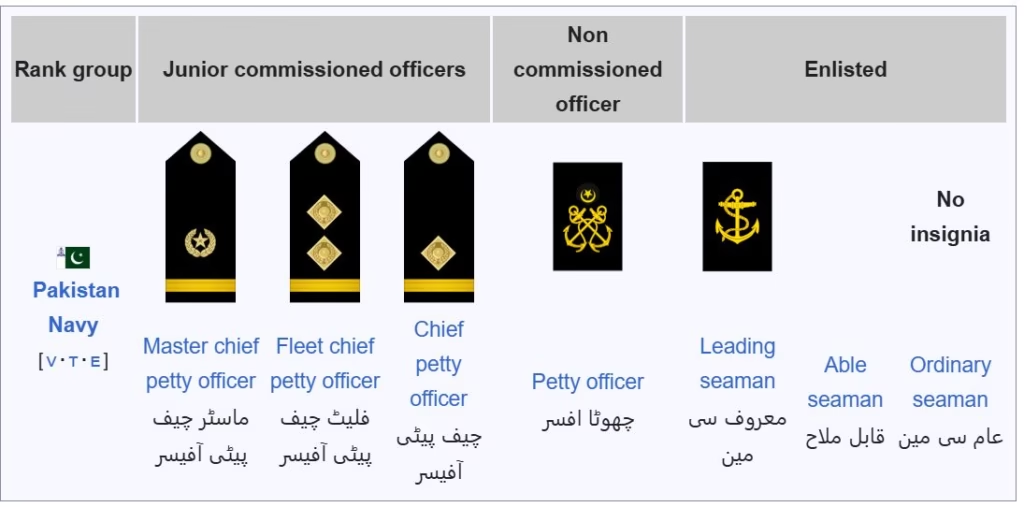
Petty Officer
These are the technical experts. Petty Officers supervise smaller teams and make sure systems and equipment are working properly. They’re hands-on and dependable.
Leading Seaman
Leading Seamen assist Petty Officers and guide their subordinates. They handle technical and operational duties and often act as mentors to junior sailors.
Able Seaman
These are skilled and reliable sailors with enough experience to handle important tasks. They form the foundation of naval operations.
Junior Commissioned Officers (JCOs)
JCOs stand between enlisted personnel and officers. They’re trusted with authority and technical knowledge built through years of service.
Chief Warrant Officer
These officers are technical masters. They know the systems, the ships, and the equipment inside out. They’re often the link between command and the technical crew.
Warrant Officer
They handle specialized roles, manage complex systems, and guide younger sailors. They’re vital for maintaining operational readiness.
Naval Cadet
This is the entry stage for future officers. Naval Cadets go through intense training — both academic and physical — before moving up to Midshipman. It’s a challenging but rewarding journey.
PN Cadet Course
The PN Cadet Course is where everything begins for those aspiring to become officers of the Navy. It covers leadership training, physical training, and classroom studies. Cadets are assessed on discipline, teamwork, and toughness of the mind. Only those who succeed in this phase go on to become officers.
Wrapping It Up
The Pakistan Navy rank system may seem complicated, but it’s founded on one basic principle: responsibility and discipline. Every rank, be it a Cadet or an Admiral, contributes significantly towards safeguarding the nation’s seas.
These ranks are not merely career steps — they’re growth, toil, and a career-long dedication to service. Each sailor, officer, and commander works for their spot, and that’s what makes the Navy one of Pakistan’s greatest institutions.
FAQs
Q: What’s the in-entry level officer rank in the Pakistan Navy?
A: Midshipman — the initial step for anyone joining up via the naval academy.
Q: How long does it take to become a Captain?
A: Approximately 15 to 20 years, depending on performance and training.
Q: What is a Lieutenant Commander’s job?
A: He/she commands smaller vessels or major departments and makes tactical decisions during operations.
Q: How is promotion decided in the Navy?
A: Based on a combination of years of experience, training classes, performance appraisals, and leadership potential.
Q: What is a Rear Admiral’s responsibility?
A: They manage fleets, direct naval operations, and assist in strategic planning.
Related Articles You Might Like
If you enjoyed learning about the Navy’s rank structure, you might also want to read:
- Pakistan Air Force Ranks, Structure, Badges & Responsibilities – an in-depth guide to the Air Force rank system.
- Pakistan Army Ranks & Insignia – Hierarchy, Pay Scale & Career Path – learn how the Army’s ranks and responsibilities are organized.
Each branch has its own traditions, but they all share one goal: serving Pakistan with pride and dedication.