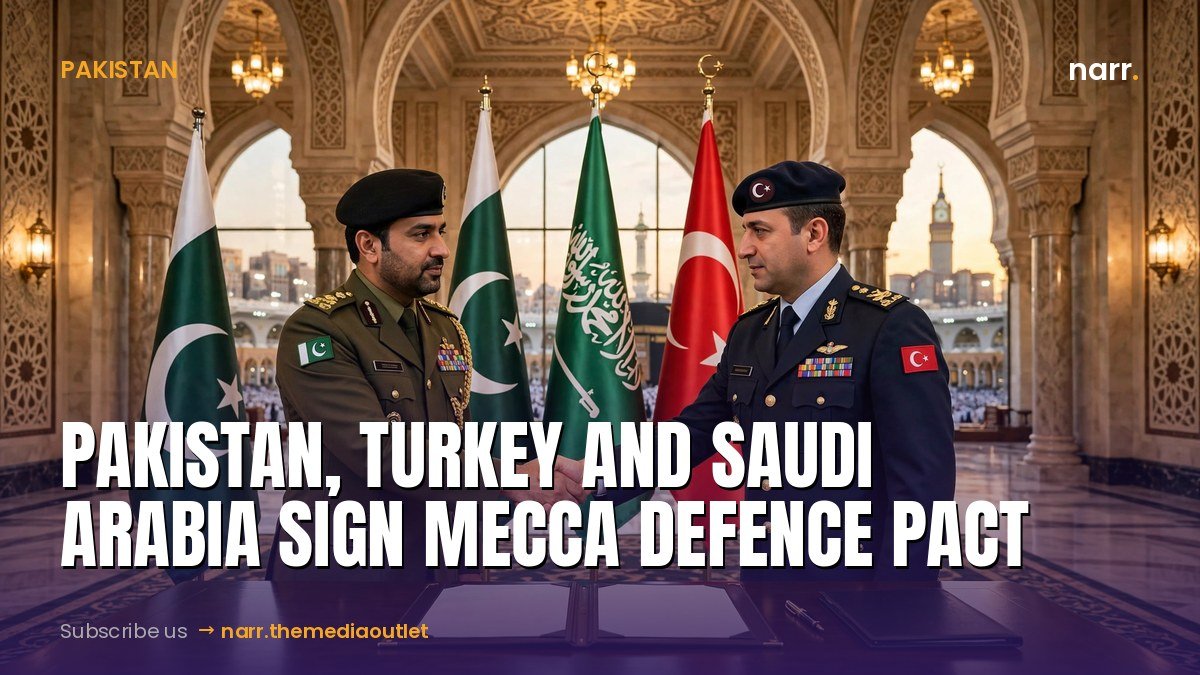
- Pakistan, Turkey and Saudi Arabia have signed a rapid deployment defence pact known as the Mecca agreement.
- The pact allows for the provision of military forces and capabilities to Saudi Arabia, with troops from Pakistan and Turkey potentially involved.
- Details on force size, deployment timelines and command structures have not yet been disclosed.
- The agreement is linked to the escalating conflict in Yemen and may affect Pakistan's strategic and domestic considerations.
In a development that has quickly become a trending story across Pakistani media, Islamabad, Ankara and Riyadh have signed a defence agreement that allows for rapid deployment of military forces to Saudi Arabia. The pact, referred to as the Mecca or Makkah agreement, was announced on 5 and 6 October 2026 by several regional news outlets.
What the pact entails
According to Dawn, Arab News PK and The Media Line, the three countries have agreed to provide military forces and capabilities for rapid deployment in the Kingdom. Euronews and Al Jazeera report that the arrangement includes the possibility of sending troops from Pakistan and Turkey to Saudi Arabia under the terms of the agreement. The Arab Weekly notes that the meeting in Riyadh took place amid an escalation of the conflict in Yemen, suggesting that the pact is linked to broader regional security concerns.

Why it matters for Pakistan
For Pakistan, the agreement offers a new avenue for strategic cooperation with two wealthy Gulf partners. It could translate into increased defence procurement, joint training opportunities and a stronger diplomatic foothold in the Gulf. Analysts in the country are also weighing the domestic implications, as the deployment of Pakistani troops abroad may raise questions about resource allocation and the impact on the armed forces' readiness at home.
Next steps and uncertainties
All sources agree that the pact is still in its early stages. While the signing of the agreement has been confirmed, details about the size of the forces, the exact timelines for deployment and the operational command structure remain unclear. Reports differ on whether the agreement includes a formal joint command or if each nation will retain independent control over its units. The situation in Yemen continues to evolve, and the pact’s activation may depend on how that conflict develops.
In the coming weeks, Pakistani officials are expected to clarify the scope of the deployment and outline any legislative or parliamentary oversight required. Observers will also watch for any reaction from neighbouring countries, particularly Iran, which has historically viewed Saudi military cooperation with suspicion.
For now, the Mecca defence pact marks a notable shift in Pakistan’s foreign‑defence policy, linking it more closely with Saudi Arabia and Turkey at a time of heightened regional tension.
Sources: Euronews, Al Jazeera, The Media Line, Dawn, Arab News PK, The Arab Weekly.
Frequently Asked Questions
What is the Mecca defence pact between Pakistan, Turkey and Saudi Arabia?
Will Pakistani troops be sent to Saudi Arabia under this pact?
How does the pact affect Pakistan's security policy?
Gold rate today in Pakistan: 24K gold climbs to Rs 442,036 per tola on October 12
The All Pakistan Sarafa Gems and Jewellers Association fixed 24-karat gold at Rs 442,036 per tola on Monday, up Rs…

Pakistan Stock Exchange activity spikes as investors track top movers
Investify and TradingView posted the latest PSX prices, gainers, losers and active stocks, highlighting why the market is a focal…
Sadaqat's 96 Powers Pakistan to 82-Run Win Over Sri Lanka, Series Sealed 2-0
Maaz Sadaqat's 96 off 51 and captain Sahibzada Farhan's 73 powered Pakistan to 215 for 3 before Mohammad Imran's 3…
