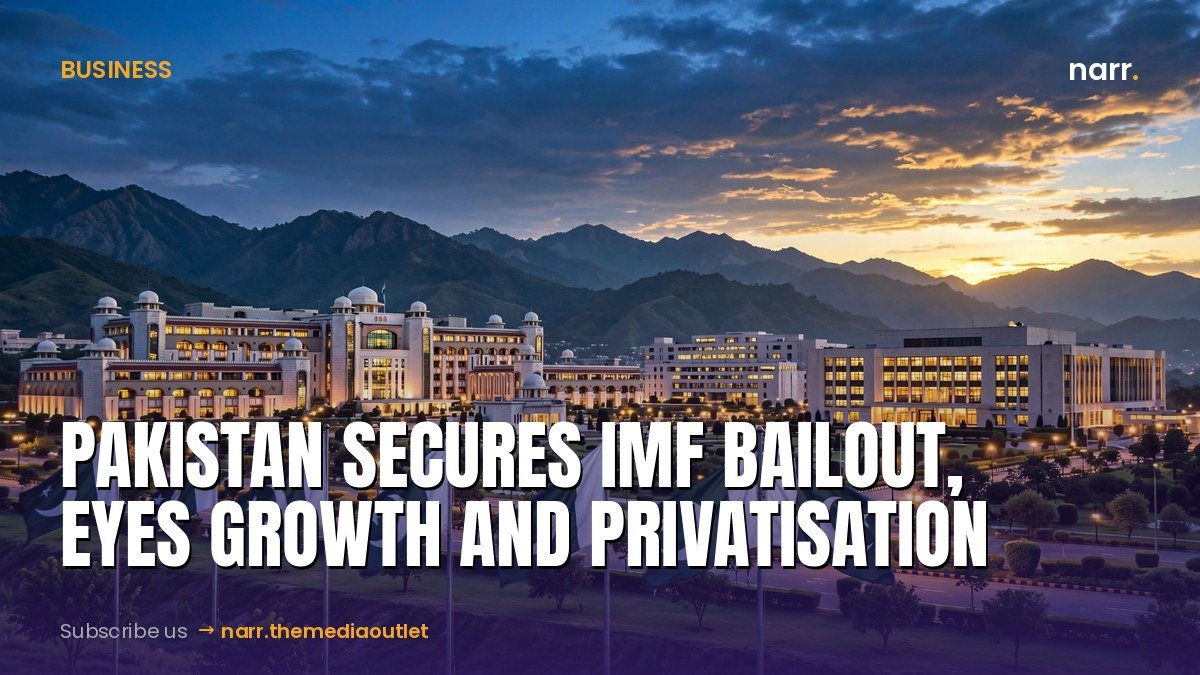
- The IMF has a tentative $1.21 billion bailout deal with Pakistan pending final approval.
- The government targets growth above 4 percent and plans to raise over $1 billion through privatisation.
- British International Investment calls Pakistan's stabilisation encouraging but stresses the need for consistent policies.
- Despite macro‑economic gains, poverty levels are rising regionally, highlighting social challenges.
Pakistan’s economy is back in the headlines as the government negotiates a new IMF programme, announces ambitious privatisation targets and confronts a regional surge in poverty. For ordinary Pakistanis, these developments could shape everything from electricity bills to job prospects.
IMF reaches tentative $1.21 billion deal
According to DW.com on 9 October, the International Monetary Fund has reached a tentative agreement with Pakistan for a $1.21 billion bailout. The deal is described as provisional, meaning final approval and disbursement will depend on further policy steps and monitoring.

Growth outlook and privatisation drive
The Economic Times reported on 12 October that Pakistan expects economic growth to exceed 4 percent this year. The same source said the government aims to raise more than $1 billion through the privatisation of state‑owned enterprises, a move intended to boost fiscal resources and attract private investment.
External confidence and policy demands
Business Recorder noted on 10 October that British International Investment described Pakistan’s stabilisation as "encouraging" but warned that consistent policy implementation is essential for continued support. The comment underscores the importance of a predictable regulatory environment for foreign investors.
Social challenges amid macro gains
Despite the positive macro signals, Dawn reported on 7 October that Pakistan is driving a regional rise in poverty levels. The article highlights that while macro‑economic indicators may improve, the benefits are not yet reaching the most vulnerable households.
What comes next for the economy?
The News Pakistan, in a 12 October commentary, described the current situation as a "new economic address" for the country, suggesting a turning point but also acknowledging that delivering sustainable growth will require more than financing alone. Analysts from Mettis Global, writing on 6 October, said Pakistan has achieved a degree of economic stability but now faces the task of translating that stability into inclusive growth.
In sum, Pakistan stands at a crossroads: external financing and privatisation could provide the fiscal space needed for development, yet rising poverty and the need for policy consistency remain critical hurdles. The next weeks will reveal whether the IMF programme is finalised, how quickly privatisation proceeds, and whether the promised growth translates into real improvements for everyday Pakistanis.
Sources: DW.com, The News Pakistan, Dawn, Mettis Global, Business Recorder, The Economic Times.
Frequently Asked Questions
What is the size of the IMF deal Pakistan is negotiating?
How much does Pakistan plan to raise from privatisation?
Is the IMF programme already approved?

PTI long march Day 7: viral Afridi video declared manipulated as Swabi Interchange convergence dates set
SochFactCheck concluded a viral video claiming Sohail Afridi threatened military personnel in Pashto is manipulated; separately, Afridi set Swabi Interchange…

Pakistan hosts Sri Lanka for T20I challenge starting Friday
Pakistan’s senior side and U17 team will face Sri Lanka in a home T20I series and three‑day match, sparking nationwide…
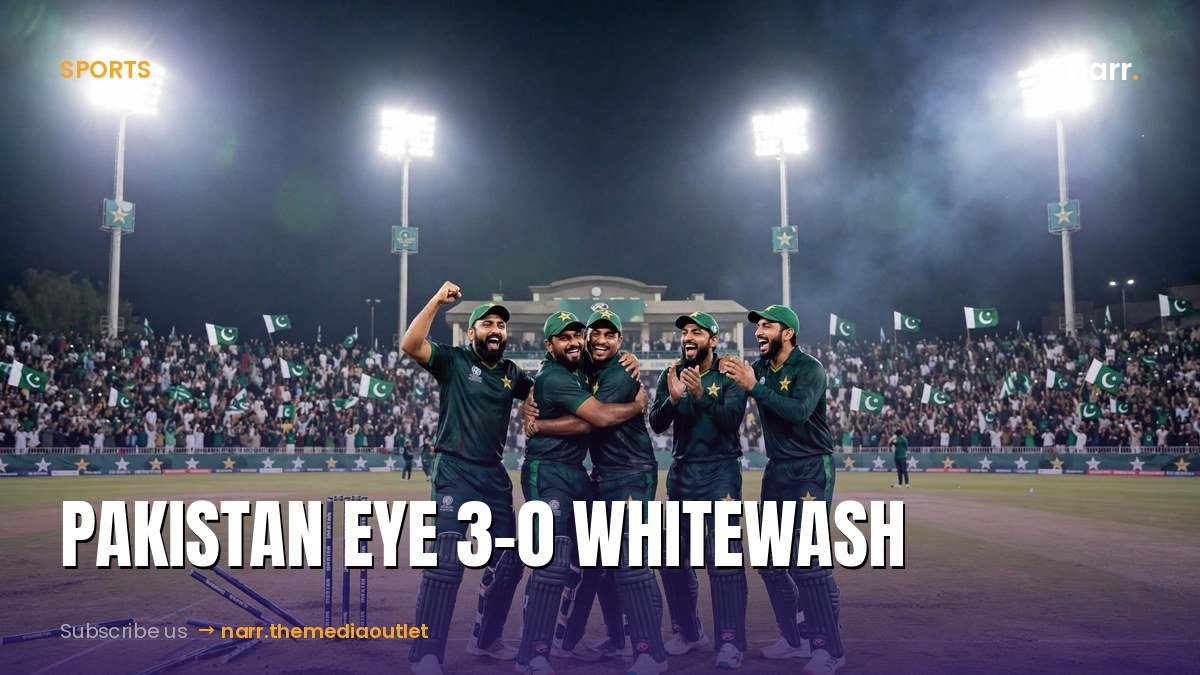
Pakistan vs Sri Lanka 3rd T20I preview: whitewash on the cards in Rawalpindi
Pakistan chase a 3-0 whitewash against Sri Lanka in the third T20I at Rawalpindi on Tuesday, October 13, with the…
