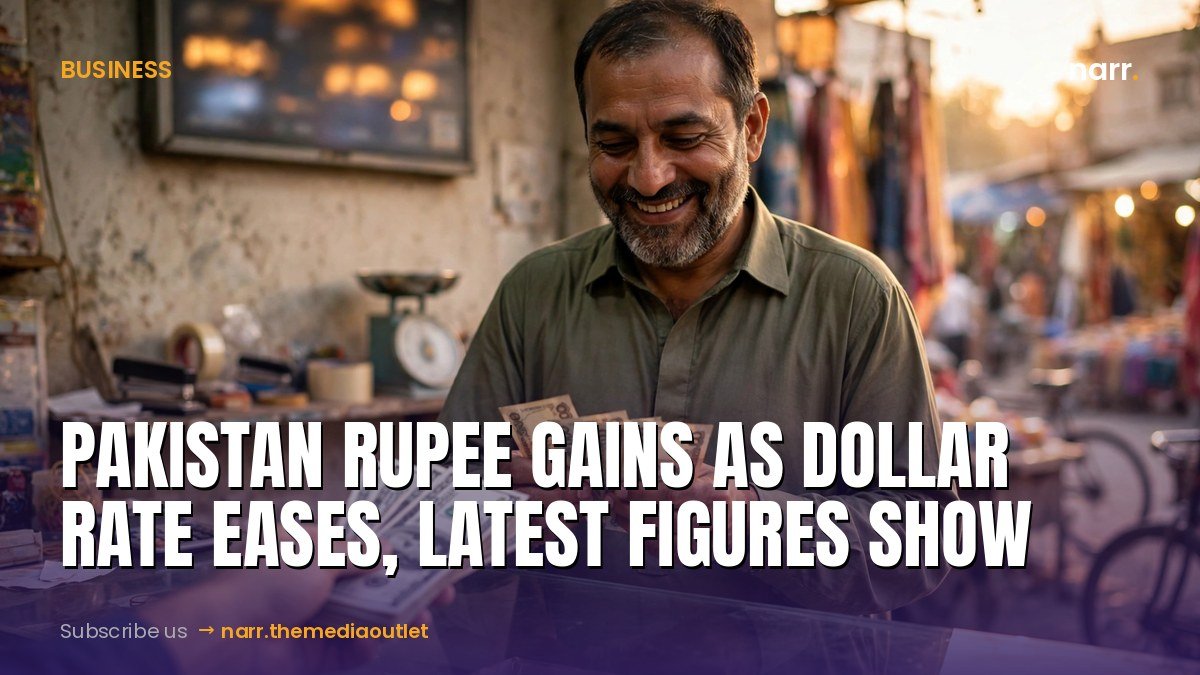
- Business Recorder reported a rupee gain against the US dollar on 29 September.
- Bybit's conversion tool on 30 September shows the current market rate for 1 USDT to PKR.
- The government told the IMF there is no longer a war impact, which may boost confidence.
- Higher US Treasury yields and falling gold prices were noted alongside the currency move.
For anyone paying for groceries, fuel or school fees, the price of the US dollar matters more than any headline. A modest shift in the exchange rate can ease inflation pressures and affect the cost of imported goods that make up a large share of the Pakistani market. This week the rupee showed signs of recovery, prompting a surge of searches for today’s dollar rate.
What the latest data shows
Business Recorder reported on 29 September that the Pakistani rupee recorded a gain against the US dollar. The outlet noted that the currency secured a modest appreciation, marking a reversal of the weakening trend seen earlier in the year. The same day, Business Recorder published a follow‑up story confirming the rupee’s gain.

On 30 September, cryptocurrency exchange Bybit offered a live conversion tool for 1 USDT (Tether) to Pakistani rupees. While the exact figure is not quoted here, the tool reflects the prevailing market rate and aligns with the rupee’s recent strengthening.
Why the rupee is gaining
Two broader forces appear to be supporting the move. First, The Express Tribune reported on 1 October that the government told the IMF there is no longer a war‑related impact on the economy. Removing that risk factor can improve investor confidence and ease pressure on the currency.
Second, both The Express Tribune and Brandsynario highlighted a sharp rise in US Treasury yields on 29 September, which pushed gold prices lower. Higher US yields often attract capital to dollar‑denominated assets, but in this case the yield spike coincided with a softer dollar rate in Pakistan, suggesting local market dynamics are also at play.
What it means for consumers
A stronger rupee translates into a lower price tag on imported items, from electronics to raw materials used in manufacturing. For the average household, this can mean a slight relief at the checkout line, especially for products whose prices are set in dollars.
However, analysts caution that the gain is modest and may be short‑lived if external pressures, such as global commodity prices or further IMF negotiations, shift. Monitoring the daily rate remains essential for businesses that hedge currency risk and for consumers budgeting their expenses.
In short, the rupee’s recent gain offers a brief window of optimism, but the broader economic picture remains fluid.
Sources: Business Recorder, Bybit, Brandsynario, The Express Tribune.
Frequently Asked Questions
What is the current exchange rate of the US dollar to Pakistani rupee?
Why did the rupee strengthen against the dollar this week?
Will the rupee continue to rise?
Gold rate today in Pakistan: 24K gold climbs to Rs 442,036 per tola on October 12
The All Pakistan Sarafa Gems and Jewellers Association fixed 24-karat gold at Rs 442,036 per tola on Monday, up Rs…

Pakistan Stock Exchange activity spikes as investors track top movers
Investify and TradingView posted the latest PSX prices, gainers, losers and active stocks, highlighting why the market is a focal…

Sadaqat's 96 Powers Pakistan to 82-Run Win Over Sri Lanka, Series Sealed 2-0
Maaz Sadaqat's 96 off 51 and captain Sahibzada Farhan's 73 powered Pakistan to 215 for 3 before Mohammad Imran's 3…
