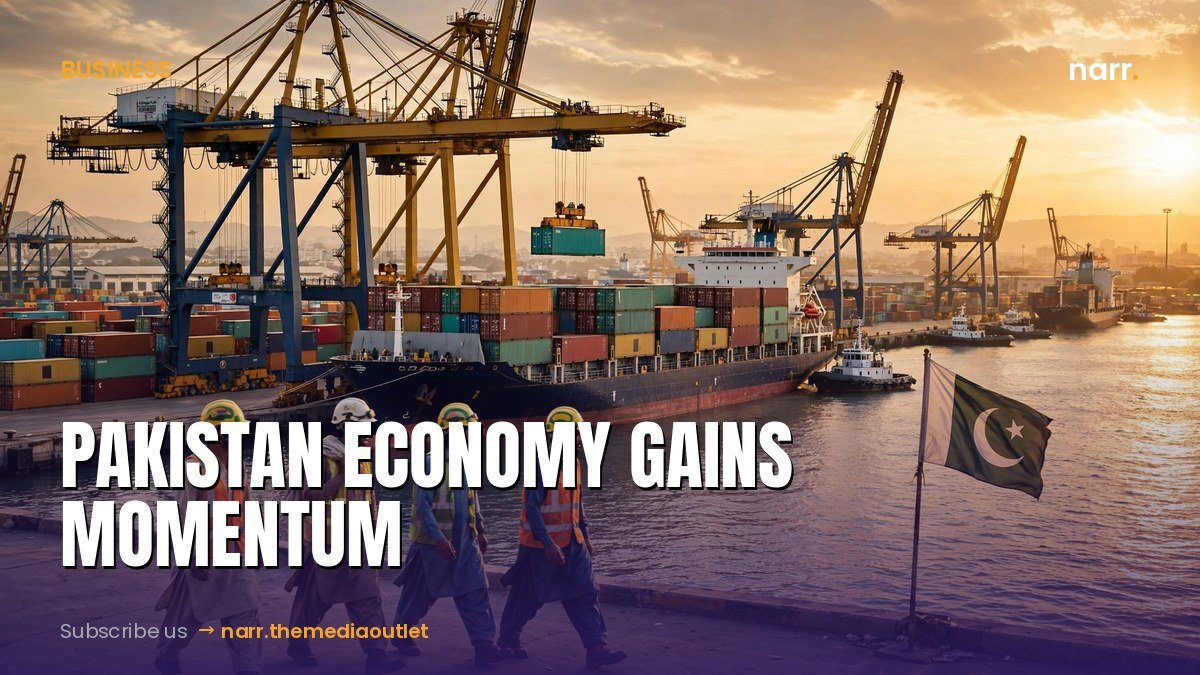
- The Prime Minister says structural reforms are putting the economy back on track.
- Shehbaz Sharif urges the private sector to lead an export‑driven growth model.
- Pakistan and China are moving into a new phase of CPEC projects.
- Terrorism and the Afghanistan‑Pakistan conflict remain constraints on economic progress.
Pakistan's economic outlook is shifting as the government rolls out structural reforms, courts foreign investment and urges the private sector to spearhead export growth. The narrative has moved from crisis management to a forward‑looking agenda, a change that matters to every Pakistani who feels the pinch of inflation and job scarcity.
Structural reforms put the economy back on track
On September 30, the Prime Minister told The Nation that a series of structural reforms are putting the economy back on track. While the statement did not list specific measures, the emphasis on reforms signals a policy shift aimed at stabilising fiscal deficits and restoring investor confidence.

Private sector asked to lead export‑driven growth
According to tribune.com.pk on October 1, Shehbaz Sharif urged the private sector to take the lead in an export‑driven growth strategy. The call follows a broader government push to diversify earnings beyond remittances and aid, and to create jobs in manufacturing and services.
CPEC enters a new phase with China
Business Recorder reported on October 1 that Pakistan and China are entering a new phase of the China‑Pakistan Economic Corridor. While details of the new projects were not disclosed, the development is expected to boost infrastructure, energy and trade links, reinforcing the economic reform agenda.
International finance outreach and bourse opening
Dawn noted on September 30 that the Prime Minister met senior UK finance officials and opened a new bourse. The engagement aims to attract foreign capital and deepen financial market links, complementing the structural reforms and CPEC initiatives.
Security constraints and regional conflict linger
UA.NEWS cited Dawn on September 29 that terrorism remains a structural constraint on the economy, limiting investment and raising costs. The Council on Foreign Relations’ Global Conflict Tracker (October 1) highlights ongoing tensions between Afghanistan and Pakistan, which add uncertainty to trade routes and security conditions.
In sum, Pakistan’s economic narrative is being reshaped by reforms, private‑sector incentives, renewed CPEC projects and diplomatic outreach, while security challenges continue to temper optimism.
Sources: The Nation, Council on Foreign Relations, UA.NEWS, tribune.com.pk, Business Recorder, Dawn.
Frequently Asked Questions
What reforms is the Pakistani government implementing?
How is CPEC expected to affect the economy now?
Why does security remain a concern for economic growth?
Gold rate today in Pakistan: 24K gold climbs to Rs 442,036 per tola on October 12
The All Pakistan Sarafa Gems and Jewellers Association fixed 24-karat gold at Rs 442,036 per tola on Monday, up Rs…

Pakistan Stock Exchange activity spikes as investors track top movers
Investify and TradingView posted the latest PSX prices, gainers, losers and active stocks, highlighting why the market is a focal…

Sadaqat's 96 Powers Pakistan to 82-Run Win Over Sri Lanka, Series Sealed 2-0
Maaz Sadaqat's 96 off 51 and captain Sahibzada Farhan's 73 powered Pakistan to 215 for 3 before Mohammad Imran's 3…
