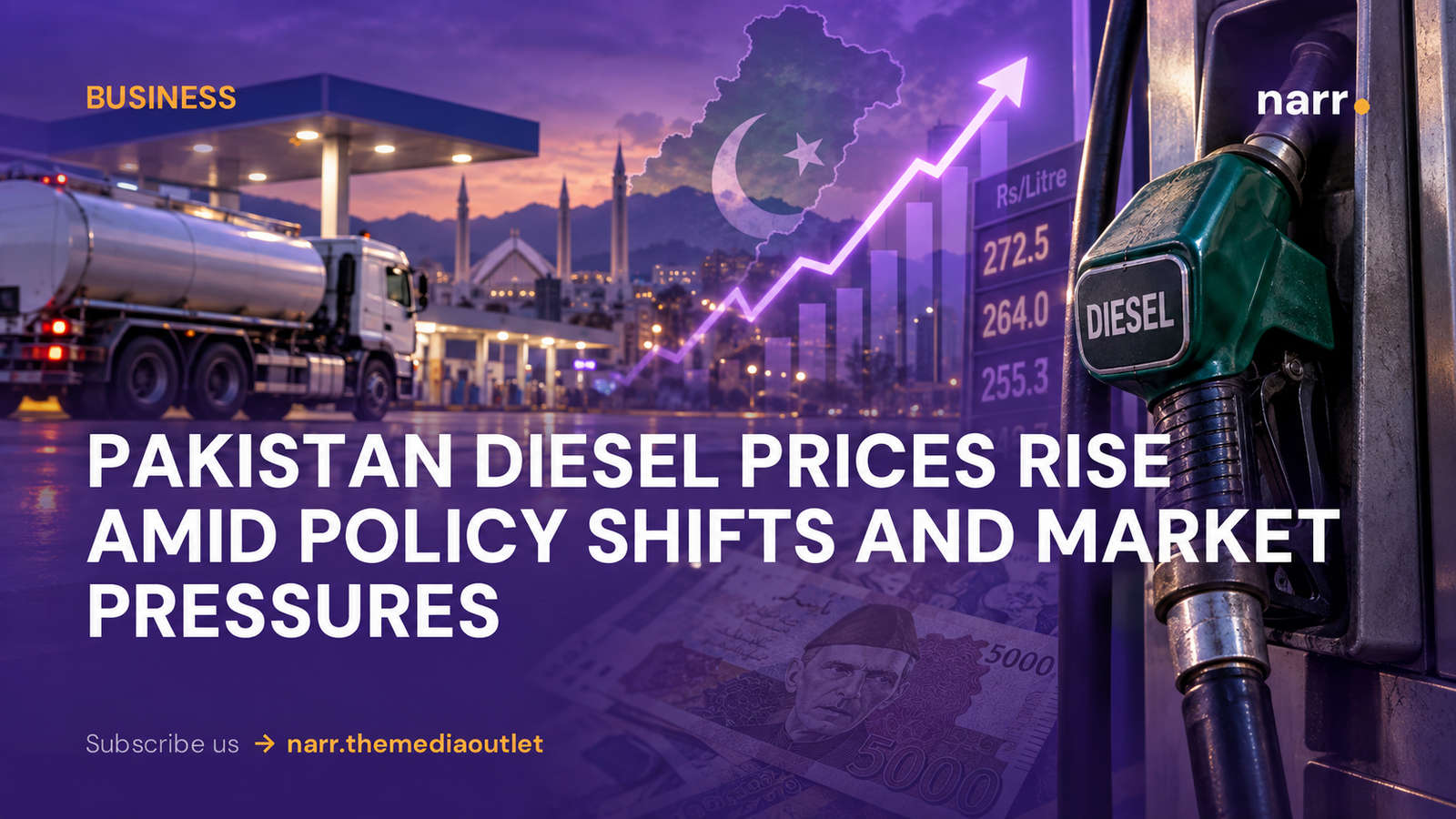
- Diesel prices in Pakistan have risen 12‑15 percent after subsidy reductions.
- Higher fuel costs are raising transport fares and freight rates across the country.
- The government aims to reduce the fiscal deficit but faces pressure to protect essential diesel users.
- Long‑term price stability depends on global oil trends and domestic refining capacity.
Diesel fuel prices in Pakistan have risen sharply over the past month, prompting concerns among commuters, truck operators and manufacturers. The increase follows a combination of higher international crude oil prices, adjustments to government subsidies and tighter domestic supply. Analysts say the trend could reshape transport costs and inflation dynamics if it persists.
Government policy and price controls
The Ministry of Finance announced a revision of diesel subsidies in early August, reducing the per‑litre support to align with fiscal targets. The change reflects a broader effort to curb the budget deficit, which has widened due to rising energy expenditures. While the government maintains that essential diesel for public transport will receive limited relief, the overall reduction has lifted retail prices by roughly 12 to 15 percent in major cities.

Impact on transport and logistics
Higher diesel costs directly affect the operating expenses of bus fleets, ride‑hailing services and long‑haul trucking firms. Industry bodies report that freight rates have already risen by 8 percent as carriers pass on fuel surcharges to shippers. Small business owners, who rely on diesel‑powered generators during load‑shedding, also face increased overheads, squeezing profit margins across the informal sector.
Future outlook and market dynamics
Experts warn that if global oil prices remain volatile, diesel prices could continue to climb despite any temporary subsidies. The state oil corporation has indicated plans to boost local refining capacity, but the projects will take several years to become operational. In the meantime, consumers may see further price adjustments as the government balances fiscal pressures with the need to keep transport affordable.
Frequently Asked Questions
Why have diesel prices increased in Pakistan recently?
How does the diesel price hike affect everyday commuters?
Will the government restore diesel subsidies soon?
Gold rate today in Pakistan: 24K gold climbs to Rs 442,036 per tola on October 12
The All Pakistan Sarafa Gems and Jewellers Association fixed 24-karat gold at Rs 442,036 per tola on Monday, up Rs…

Pakistan Stock Exchange activity spikes as investors track top movers
Investify and TradingView posted the latest PSX prices, gainers, losers and active stocks, highlighting why the market is a focal…

Sadaqat's 96 Powers Pakistan to 82-Run Win Over Sri Lanka, Series Sealed 2-0
Maaz Sadaqat's 96 off 51 and captain Sahibzada Farhan's 73 powered Pakistan to 215 for 3 before Mohammad Imran's 3…
