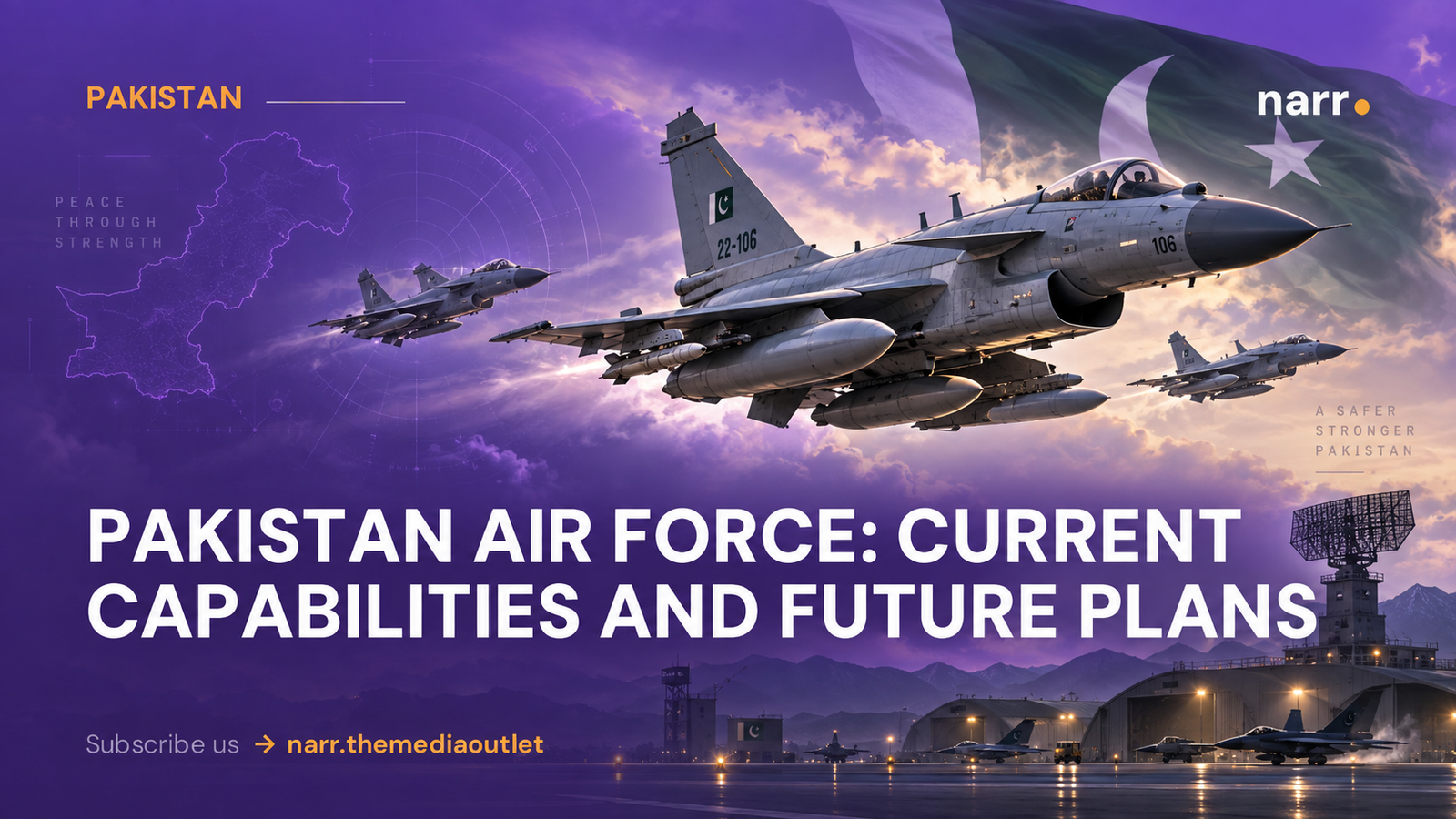
- PAF conducts daily air‑defence patrols, reconnaissance missions and humanitarian flights.
- Modernisation includes acquisition of JF‑17 Block III fighters and upgrades to existing F‑16s.
- Budget constraints affect procurement, maintenance of aging aircraft and training programs.
- Future plans focus on integrating unmanned systems and strengthening joint operations with other services.
The Pakistan Air Force (PAF), known locally as پاک فضائیہ, marks its 78th anniversary this year, highlighting a legacy of defending national airspace while expanding its role in humanitarian missions and joint exercises. From routine patrols along the Line of Control to disaster relief flights after floods, the service balances combat readiness with civil support, reflecting a broadening portfolio that mirrors the country’s evolving security and development priorities.
Current Operations and Training
PAF squadrons conduct daily sorties that include air-defence patrols, reconnaissance missions and tactical training. In the past year, the force participated in multinational drills such as Red Flag-Alaska and the Indo-Pacific Air Power Conference, exposing pilots to advanced tactics and interoperability standards. Training pipelines have also been upgraded; the Air Force Academy in Risalpur now incorporates simulator-based instruction for fourth-generation fighters, reducing flight-hour costs while maintaining proficiency.

Modernisation and Procurement
Modernisation remains a priority for the PAF. Recent contracts have brought in upgraded JF-17 Block III aircraft, featuring enhanced avionics, radar and electronic warfare suites. Negotiations with China continue for additional JF-17 deliveries, while discussions with the United States focus on potential F-16 upgrades. The force is also evaluating fifth-generation platforms, though budget constraints and geopolitical considerations temper immediate acquisition plans.
Beyond combat jets, the PAF is expanding its transport and surveillance fleet. New C-130J Hercules aircraft bolster logistical capacity, and a series of maritime patrol aircraft are slated for delivery to improve coastal monitoring. Investments in unmanned aerial systems are progressing, with indigenous drone projects aimed at reconnaissance and border surveillance.
Challenges and Future Outlook
Financial pressures pose a significant challenge. The defence budget allocation for the air arm has fluctuated, influencing procurement timelines and maintenance schedules. Aging airframes, particularly older F-16s and Mirage fighters, require extensive overhauls, stretching technical resources. Recruitment and retention also demand attention; the PAF has launched outreach programs in schools and universities to attract engineering talent, while offering competitive incentives to reduce attrition.
Looking ahead, the PAF’s strategic focus centres on achieving a balanced mix of legacy platforms and emerging technologies. Emphasis on joint operations with the army and navy aims to create a cohesive defence posture against conventional and asymmetric threats. As regional dynamics shift, the force’s ability to adapt its doctrine, invest in modern equipment and sustain skilled personnel will determine its effectiveness in safeguarding Pakistan’s airspace.
Frequently Asked Questions
What are the latest aircraft acquisitions of the Pakistan Air Force?
How does the Pakistan Air Force contribute to disaster relief?
What challenges does the PAF face in modernising its fleet?
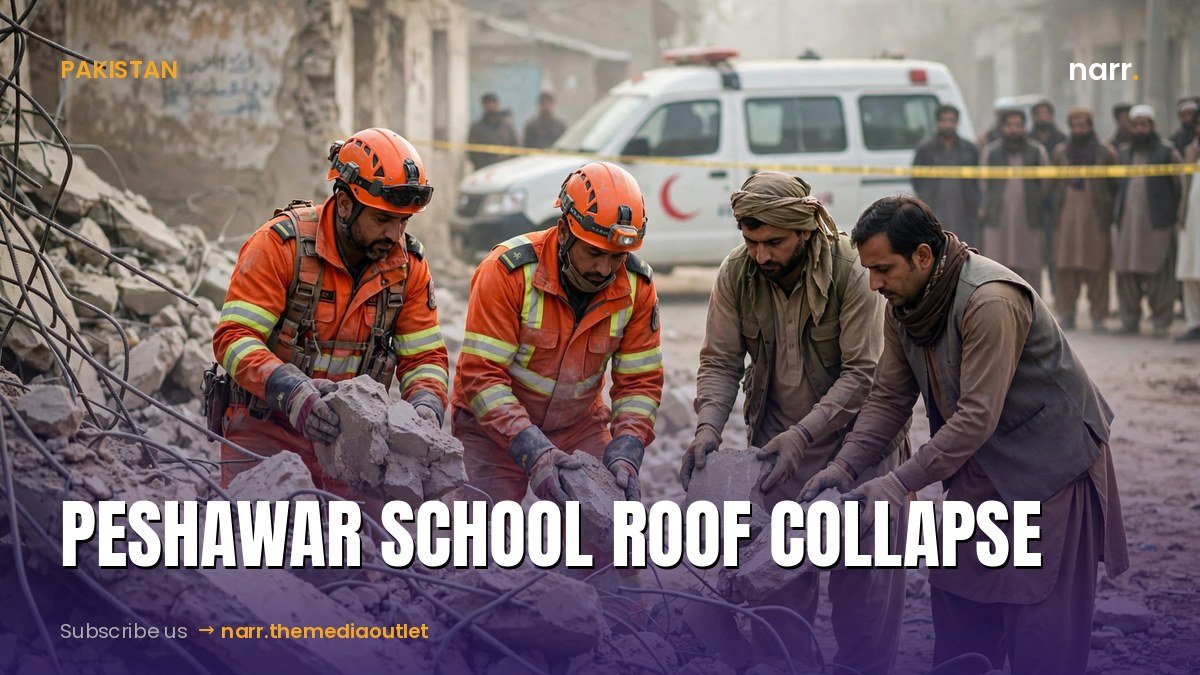
Peshawar School Roof Collapse Kills At Least 35, Mostly Students; Rescue Operation Ends
At least 35 people, including 34 students and a female teacher, were killed on Thursday when the roof of a…

Kusal Mendis's Unbeaten 87 Ends Pakistan's Whitewash Bid as Sri Lanka Win 3rd T20I by 8 Wickets
Kusal Mendis smashed an unbeaten 87 off 48 balls as Sri Lanka chased 169 to beat Pakistan by 8 wickets…

Pakistan Seal Sri Lanka T20I Series 2-1 as Farhan Wins First Series as Captain
Pakistan beat Sri Lanka 2-1 in the T20I series at Rawalpindi, sealing new captain Sahibzada Farhan's first series win despite…
